VNC Console Access for RDP & VPS Guide

Premium services since 2010

Trusted by thousands of businesses worldwide • 99.9% Uptime Guarantee • Crypto Accepted

Table of Contents

The VNC Console is your emergency out-of-band management tool for Remote Desktop (RDP) and Windows VPS services. When your server’s network settings break, a firewall rule blocks port 3389, or an unexpected software lock disconnects you from standard Remote Desktop, the VNC Console gives you direct graphical screen access right through your web browser.

Because VNC operates directly on the underlying virtualization hypervisor rather than the guest operating system’s network stack, you can access, diagnose, and repair your server even if Windows has no network connectivity.

When should you use the VNC Console?

  • Firewall Lockout: You enabled Windows Firewall or third-party security software that blocked inbound RDP traffic.
  • Network Misconfiguration: Network adapters were disabled or modified inside the Windows Network Connections settings.
  • VPN Conflicts: Installing a VPN software redirected default gateway routes and dropped the remote session.
  • Boot Loops & Blue Screens: Checking Windows updates or recovery screens when the server is unresponsive over IP.

Step-by-step: How to enable and access VNC

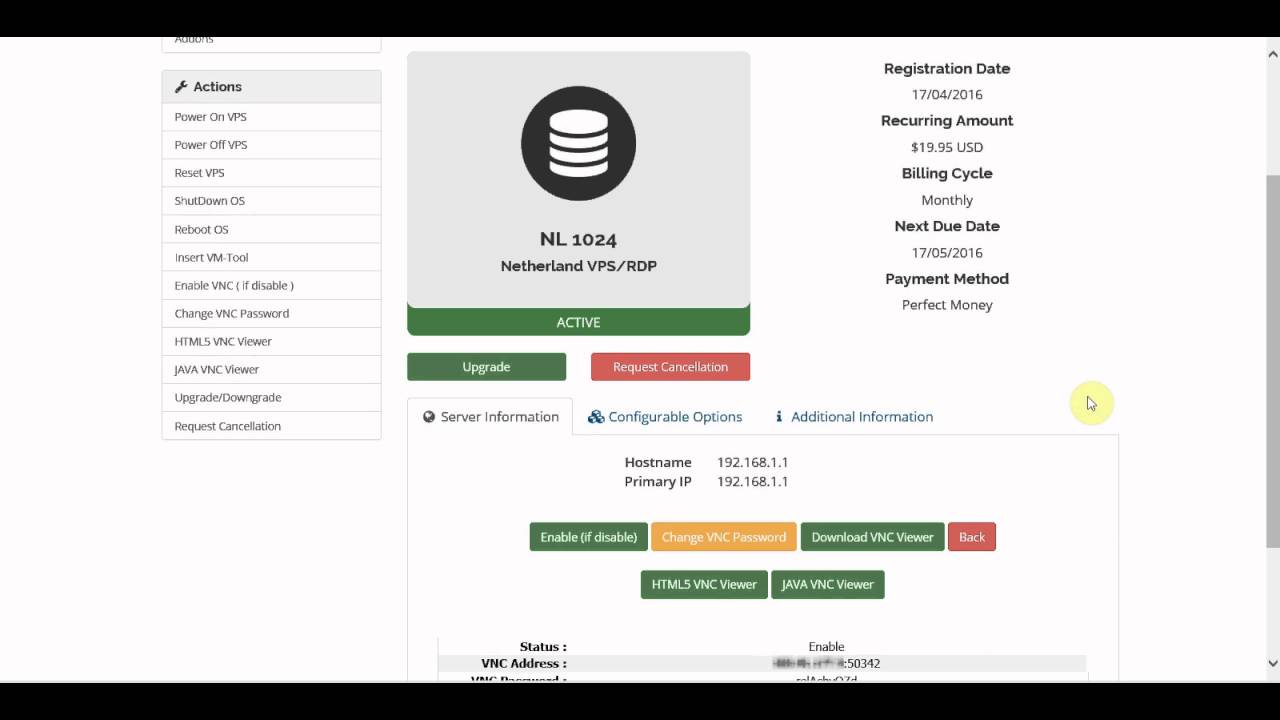
Step 1: Access your services in client area

Log in to your Aminserve Client Panel. In the main dashboard menu, click on Services > My Services.

Access your services in Aminserve client area

Step 2: Select your active server

Locate the RDP or VPS you need to access and click on the green Active status button to open its dedicated server management console.

Select active RDP or VPS service

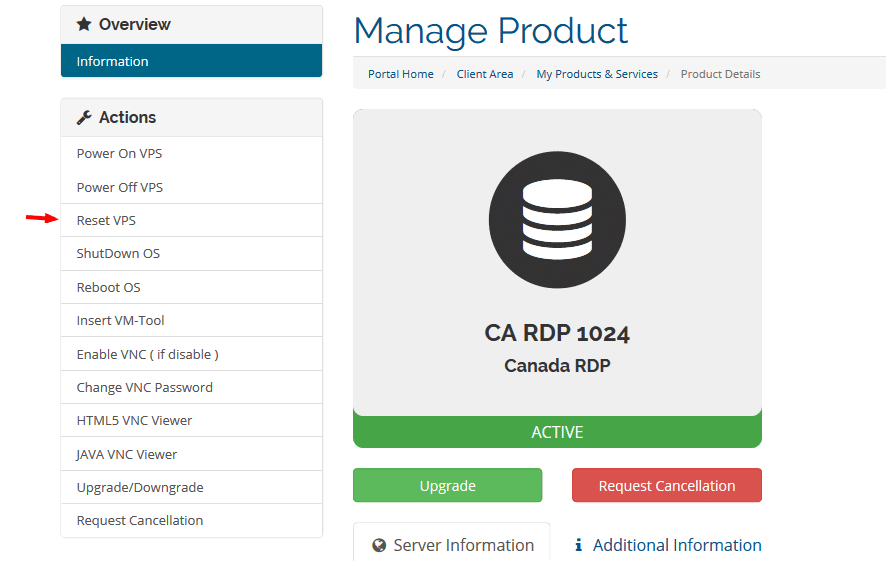
Step 3: Check status or reset server

If your server is unresponsive, you can click Reset or Power Off / Power On. Allow approximately 2 minutes for the system to complete its reboot cycle.

Reset or manage VPS power status

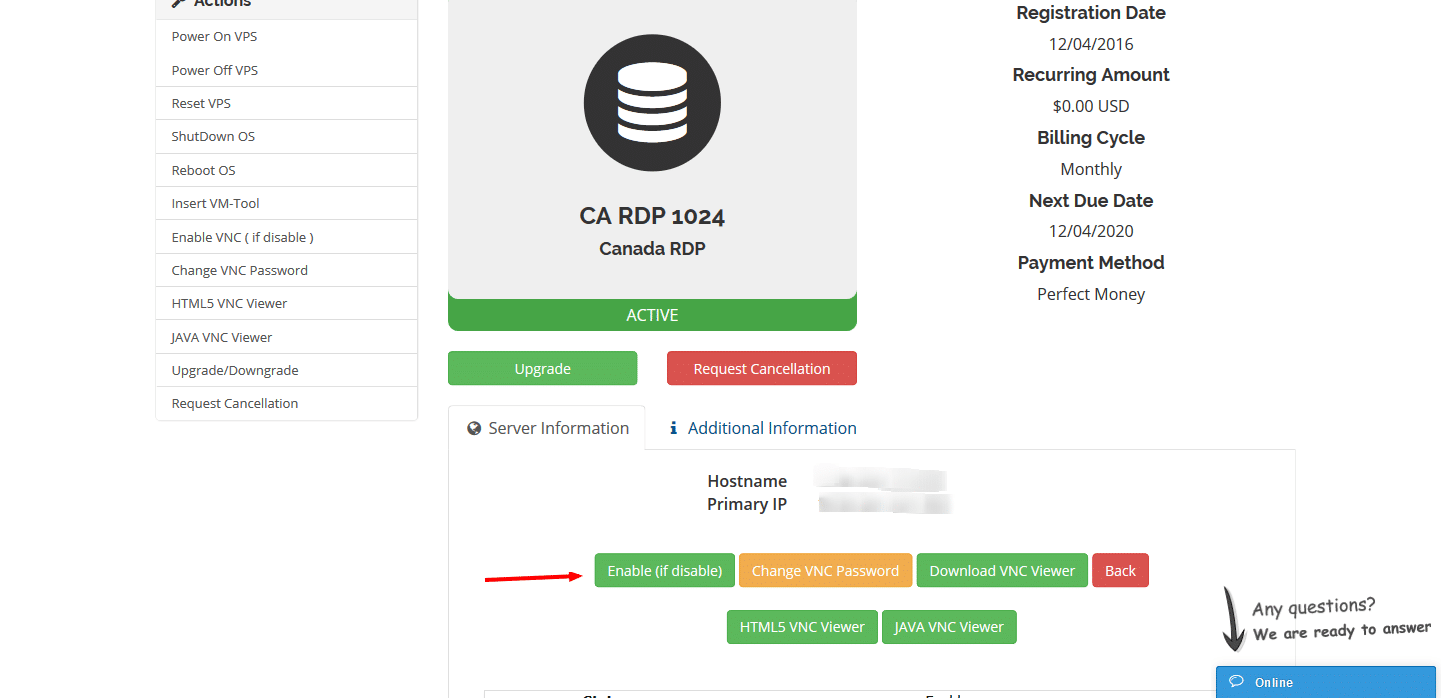
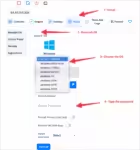
Step 4: Enable the VNC Console

In the control panel actions list, click the VNC icon. If VNC is currently disabled, click Enable VNC. The system takes approximately 30 to 45 seconds to establish the virtual display port.

Enable VNC Console in server management panel
VNC connection options HTML5 and client

Step 5: Choose your VNC connection method

You have three ways to open the console:

  1. HTML5 VNC Viewer (Fastest): Opens the live Windows desktop directly inside your web browser. No software installation needed.
  2. VNC Client Application (Recommended for heavy tasks): Use free tools like TightVNC or RealVNC. Enter the host IP, custom port, and temporary VNC password shown in your panel.
  3. Java Viewer: Compatible with legacy browser environments with Java runtime support.

How to send Ctrl + Alt + Delete in VNC

When the Windows login screen appears in VNC, pressing Ctrl + Alt + Del on your physical keyboard will trigger your local PC instead of the remote server. To send this key combination to the server:

  • In HTML5 Viewer: Click the Ctrl+Alt+Del shortcut button in the top browser toolbar.
  • In TightVNC: Press the dedicated Ctrl-Alt-Del icon in the viewer menu.

Security best practices for VNC

Once you have repaired your network settings or removed the offending firewall rule, standard Remote Desktop will resume working. For optimal security, we recommend clicking Disable VNC in your control panel once troubleshooting is complete.

Never Miss an Update

Get expert tips, tutorials, and hosting insights delivered to your inbox weekly. Join 10,000+ subscribers!
🔒 We respect your privacy. Unsubscribe anytime.