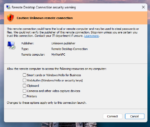
When your Windows RDP or Windows Cloud VPS suddenly refuses connection with generic errors like “Remote Desktop can’t connect to the remote computer”, “An internal error has occurred”, or “The credentials did not work”, running structured automated diagnostics from your hosting control panel resolves over 90% of support outages without waiting for manual ticket replies.
This technical troubleshooting guide walks server administrators and beginners through rapid self-healing steps: performing hard power cycles, resolving stuck Windows session states, utilizing out-of-band HTML5 VNC emergency consoles, and reinstalling corrupted operating systems on Windows Server 2025, 2022, 2019, and Windows 11 / 10. If you are experiencing authentication errors, also check our guide on Fixing Windows Server RDP Authentication Failures.
Step 1: Verify IP address and custom port syntax
The most common cause of sudden connection dropouts is a syntax error in your RDP client destination string:
- Default Port (3389): Enter your server IP directly (e.g.
198.51.100.25). - Custom Port: If your server was configured with a hardened port, append the colon and port number explicitly:
198.51.100.25:33389. - Leading / Trailing Whitespace: Copying IP strings from emails often captures trailing spaces, causing DNS resolver timeouts. Always paste cleanly into
mstsc.exe.
Step 2: Perform a clean panel reboot (Resolves stuck RAM states)
If background Windows services crash or memory leaks exhaust the RDP listener threads:
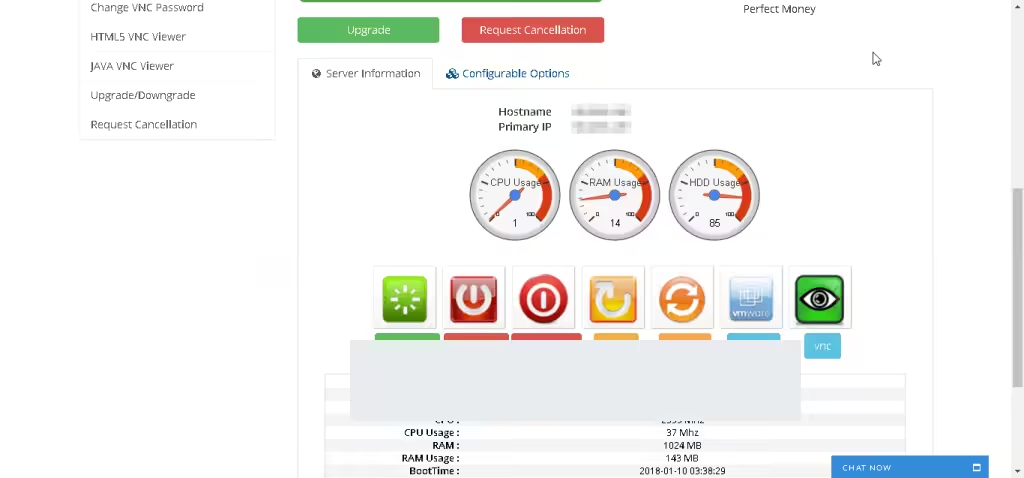
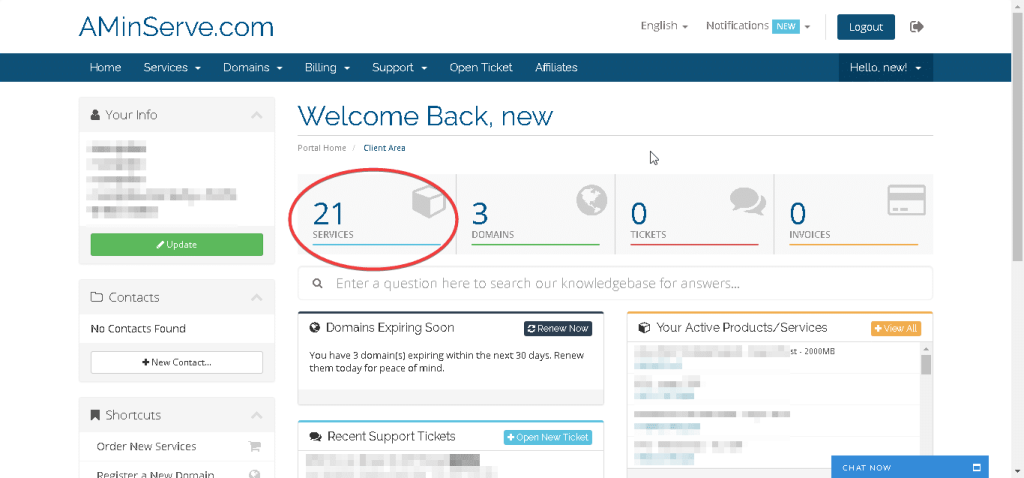
- Log in to your Aminserve Client Portal.
- Navigate to Services > My Services and select your active Windows VPS.
- Click the Restart (Reboot) button in the server control toolbar.
- Allow 2 to 3 minutes for Windows Server to cycle through its initialization scripts and restart the
TermServicedaemon before reconnecting.
Step 3: Use Out-of-Band VNC console for firewall and network lockouts
If you accidentally enabled a local VPN, misconfigured Windows Firewall, or locked the Administrator account, standard RDP over port 3389 will fail. The Out-of-Band VNC Console bypasses the Windows network stack entirely by streaming video directly from the virtual hypervisor:
- Inside your service dashboard, click VNC or HTML5 VNC Viewer.
- The browser launches an interactive graphical session directly to your server screen.
- Log in, open
wf.msc(Windows Firewall with Advanced Security), and verify inbound rule Remote Desktop – User Mode (TCP-In) is set to Allow. - Disable any conflicting third-party VPN network TAP adapters. For complete emergency access steps, see our VNC Console Access Guide.
Step 4: Fix credential rejection and locked accounts
When Windows displays “The credentials that were used to connect to 198.51.100.25 did not work”:
- Reboot after Control Panel Password Reset: When changing your password via the client portal, you must execute a Power Off / Power On sequence for the virtual machine hypervisor to inject the updated credentials into the Windows SAM database.
- Clear Stale Windows Credential Manager Entries: Open Windows Start on your personal computer, search for Credential Manager, go to Windows Credentials, find your server IP, and click Remove.
- Enforce NLA Syntax: When logging in with a new user, specify the local machine name or dot prefix:
.\AdministratororSERVERNAME\john. See our guide on Adding New Windows Users with RDP Access.
Step 5: Clean OS reinstall (Ultimate recovery)
If core system files are corrupted by malware or improper disk partitioning, perform a clean automated operating system rebuild:
- Click Reinstall OS inside your client area dashboard.
- Select your preferred OS version (e.g. Windows Server 2022 Standard or Windows Server 2025).
- Set a new root password and confirm the reinstallation.
- Within 10 to 15 minutes, your server will boot into a fresh, unblemished Windows environment.
For more RDP configuration and optimization tutorials, explore our guides on Changing Windows Password, Fixing RDP Lag & Latency, and Fixing Exceeded Maximum Allowed Connections.
For enterprise-grade cloud hosting backed by automated self-healing hypervisors, NVMe SSD storage, and 24/7 dedicated support, explore Aminserve High-Performance RDP and Windows Cloud VPS Plans.