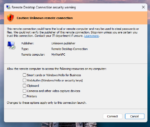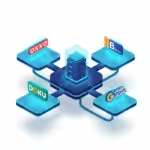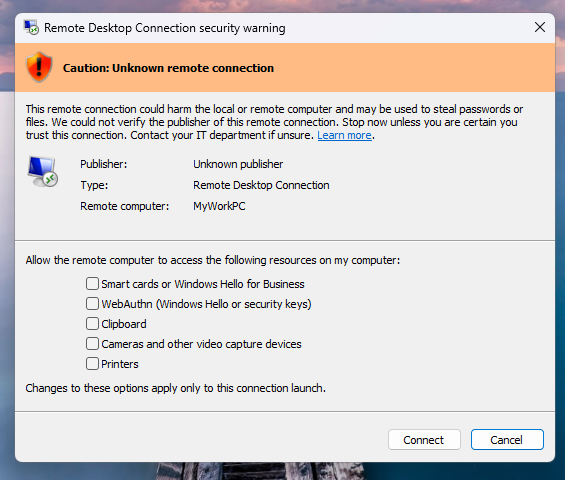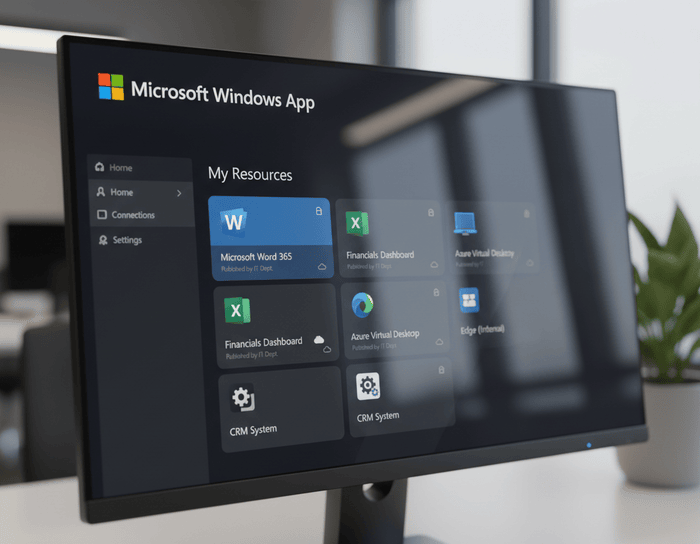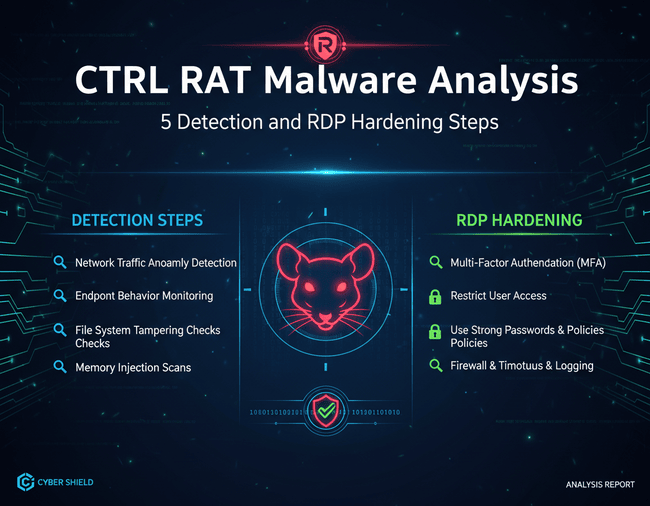
Remote desktop service is an innovation, allowing you to sit at a computer and link to a remote computer in a different location. You can get access to your workplace computer from your home desktop and can use all your files, applications, and network resources.
You have to leave your workplace computer on with programs running if you want to view your workplace PC screen on your personal computer, with the exact same programs running.
Market Application: Remote Desktop Service
VPS is effectively used in numerous markets for the management of IT facilities. Now, leveraging, new applications or updates can be set up in all the computers through single command. In addition, numerous computer issues can be recognized and debugged on many computers from a single PC.
Many universities are utilizing Switzerland VPS for providing students the option of distance learning. Students can discover or enjoy a discussion or make assignments by being linked to a computer at their school.
RDP is likewise being used in telecommuting sector. A staff member can work from anywhere with an access to a PC with a web connection.
Benefits and Downsides
With the accessibility of the high-speed web access, you can now host your software applications from another location. This will help international companies to access the shared applications.
The Benefits of Remote Desktop
- In DMCA free vps there is no worry of losing any information by theft or catastrophe, because all files and files are saved in safe information.
- Flexibility to Work from Anywhere: This system allows you to move with your PC and work flawlessly from anywhere, anytime.
- This will lower your expense of buying Microsoft Workplace Suite as it usually features remote IT system plan.
Remote desktop service likewise features specific drawbacks that include:
- Effective RDP Needed: The remote desktop service must be effective enough to be able to monitor all connections. Numerous computers are kept track of through central RDP. Thus, the capability of RDP has to be effective enough to take the load of several computer systems otherwise the whole setup might go crazy.
- Tracking Needed: The remote desktop service is the popular source of threat of downtime. The whole system will collapse if the remote desktop service will fail unless a tracking system remains in place.
- The efficiency of the system is likewise affected by the network reliability.
- The administrator has to be experienced and must have needed understanding and be offered in business hours.